
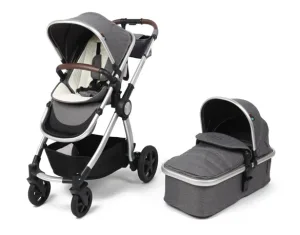
Choosing a stroller is an important part of preparing for life with a baby. With so many styles, sizes, and features available, finding the right one can feel confusing. The best stroller should suit your baby’s age, your daily routine, and the places you visit most often.
If you are wondering how to choose a baby stroller, start by thinking about your lifestyle and your baby’s comfort. Some parents need a lightweight stroller for quick trips, while others prefer a sturdy model for daily walks and family outings. Understanding the main stroller types can help you make a choice that fits your needs.
A good stroller should also be easy to fold, simple to steer, and comfortable for your little one. Before buying, compare safety features, storage space, and how well each model fits your everyday activities.
1. Understand Different Types of Baby Strollers
Baby strollers come in several designs, each made for different needs.
- Full-size stroller: Offers a comfortable seat, storage basket, and features for everyday use. It can be a practical choice for regular walks and shopping.
- Lightweight stroller: Easy to carry and fold, making it useful for travel and short trips.
- Travel system: Combines a stroller with a compatible infant car seat, allowing parents to move a sleeping baby between the car and stroller.
- Jogging stroller: Usually has three wheels and a design made for active parents. Check the manufacturer’s age and running guidelines before use.
- Double stroller: Designed for twins or two young children. Side-by-side and tandem models offer different widths and seating arrangements.
Choosing between these styles depends on where you live, how often you travel, and how much space you have at home.
2. Consider Your Baby’s Age and Comfort
Your baby’s age plays a major role in selecting a stroller. Newborns need a model that supports their head, neck, and body properly. Many standard stroller seats are not suitable for newborns unless they recline fully or are specifically approved for that use.
For younger babies, consider a stroller with a suitable bassinet or a compatible infant car seat. Always follow the manufacturer’s instructions for safe use.
As your baby grows, a stroller with an adjustable recline, supportive seat, and footrest can make outings more comfortable. A large canopy can also help protect your child from direct sunlight.
3. How to Choose a Baby Stroller for Your Lifestyle
Your daily routine can help narrow down your options. Parents who live in busy cities may prefer a compact stroller that fits through narrow spaces and folds quickly.
If you often travel by car, check whether the stroller fits in your vehicle’s trunk. Families who use buses or trains may find a lightweight model easier to manage.
For outdoor walks, look for wheels that suit the surfaces you use most often. Larger wheels and good suspension can make some strollers easier to push over uneven paths.
Before buying, consider:
- How often you will use the stroller.
- Whether you need to carry it upstairs.
- How much storage space you have.
- Whether you need room for shopping bags.
- If you plan to use it for one child or more.
4. Check Important Safety Features
Safety should be a key part of your decision. Look for a sturdy frame, reliable brakes, and a secure harness that keeps your baby safely seated.
A five-point harness helps secure the shoulders, waist, and area between the legs. Use it as directed, even when your baby is sitting calmly.
Other useful safety checks include:
- Test the brakes before each outing.
- Keep your hands on the stroller when using it on slopes.
- Never hang heavy bags on the handles, as this may cause tipping.
- Keep your baby away from moving or folding parts.
- Follow the stroller’s weight and age limits.
For newborns, avoid using a stroller seat for sleep unless the product is specifically approved for that purpose. A flat, firm, separate sleep surface is the safer choice.
5. Choose a Stroller That Is Easy to Use
A stroller should make everyday outings easier, not create extra work. Before purchasing, check how easily it folds and unfolds. If possible, try folding it with one hand while holding something in your other hand.
Also, check the stroller’s weight and handle height. A model that feels comfortable to push can make daily walks more enjoyable.
Look for practical features such as:
- A roomy storage basket for baby essentials.
- Adjustable handles for comfortable pushing.
- A canopy that provides shade.
- Wheels that turn smoothly.
- A simple folding mechanism for storage and travel.
6. Set a Budget Before Buying
Baby strollers are available at different prices, so decide how much you want to spend before shopping. A higher price does not always mean a stroller will suit your needs better.
Compare the features that matter most to your family. A basic model may be enough for short walks, while frequent travelers may benefit from a compact design.
Remember to include the cost of accessories, such as rain covers, cup holders, or car seat adapters. Check whether these items come with the stroller or need to be purchased separately.
7. Common Stroller Buying Mistakes
Some parents focus only on appearance or price and overlook everyday comfort. To make a more informed choice, avoid these common mistakes:
- Buying a stroller without checking its size and weight.
- Choosing a newborn stroller that does not provide suitable support.
- Ignoring the stroller’s weight limit.
- Forgetting to check whether it fits inside your car.
- Purchasing accessories without checking compatibility.
You may also come across unrelated online search terms, such as “Coomer su,” while researching products. Focus on trustworthy product information and features that directly relate to baby safety and comfort.
8. Test the Stroller Before Purchasing
If possible, visit a store and try a few models in person. Push each stroller, test its brakes, and check how smoothly the wheels move.
Try folding and unfolding it several times. If you drive regularly, check whether it fits in your car’s trunk.
You can also read customer reviews to learn about long-term use, cleaning, durability, and common problems. However, always check safety information from the manufacturer rather than relying only on reviews.
Conclusion
Finding the right stroller becomes easier when you understand your baby’s needs and your daily routine. Consider your baby’s age, stroller type, safety features, storage space, and budget before making a purchase.
If you are learning how to choose a baby stroller, focus on comfort, safety, and ease of use instead of choosing a model based on appearance alone. A stroller that fits your lifestyle can make everyday walks, shopping trips, and family outings more comfortable for both you and your baby.